With average relative humidity hovering between 75% and 90% and summer temperatures that turn an unventilated attic into a greenhouse, Houston homes face mold pressure that most of the country simply doesn't deal with. The good news: most mold problems are preventable with the right systems and habits in place. Here's what actually works.
Understand Your Enemy: What Mold Needs to Grow
Mold is not a sign of a dirty home. It's a biological response to environmental conditions. Eliminate even one of the following, and mold cannot establish:
- Moisture — the most controllable factor; mold cannot grow on surfaces with moisture content below about 16% or in environments below 60% relative humidity
- Food source — drywall, wood framing, carpet, and paper-faced insulation are all viable substrates
- Temperature — most mold species thrive between 40°F and 100°F, which covers Houston's climate essentially year-round
Since you can't remove the food sources from your home, humidity and moisture control are your primary levers.
Control Indoor Humidity
What actually moves the needle:
- Size your HVAC system correctly — an oversized AC unit cools the air quickly but doesn't run long enough to dehumidify it. If your home feels clammy even when the temperature is right, your system may be oversized. This is extremely common in Houston and often misdiagnosed as a ventilation problem.
- Set your thermostat's fan to "auto," not "on" — running the fan continuously recirculates humid air over a wet evaporator coil, raising indoor humidity. Auto mode allows moisture to drain off the coil between cycles.
- Install a whole-home dehumidifier — standalone units are effective for individual rooms, but for comprehensive control, a dehumidifier integrated into the HVAC system maintains consistent humidity levels throughout the house. In Houston, this is increasingly standard in newer construction for good reason.
- Monitor with a hygrometer — a $15–$30 digital hygrometer placed in your living area and a second one in your attic gives you real data to act on. Don't guess — measure.
Address Ventilation Strategically
Poor ventilation is one of the leading contributors to chronic mold problems in Houston homes. Areas that trap moisture without adequate air exchange are where mold establishes first.
Attic ventilation — Houston attics can reach 150°F+ in summer. Inadequate soffit-to-ridge ventilation traps heat and moisture, and condensation forms on roof decking when interior air contacts the cooler surface. Check that soffit vents are not blocked by insulation and that ridge venting is continuous.
Bathroom exhaust fans — should vent to the exterior, not into the attic. A surprising number of Houston homes have bathroom fans that terminate in attic space, pumping humid air directly into an enclosed area. Run exhaust fans during showers and for 20–30 minutes after.
Crawl spaces (where applicable) — encapsulated crawl spaces with a vapor barrier and controlled dehumidification dramatically outperform vented crawl spaces in humid climates. If you have a vented crawl space, it's worth evaluating the upgrade.
Kitchen ventilation — range hoods should vent to the exterior. Recirculating hoods reduce cooking odors but do nothing for humidity generated by cooking. In a humid climate, exterior venting matters.
Manage Plumbing and Water Intrusion Points
A significant percentage of mold cases we see start not from flooding but from slow, undetected leaks. The damage accumulates over months before anyone notices.
- Inspect under sinks seasonally — look for moisture, staining, or soft cabinet flooring; these are reliable indicators of a slow drain or supply line leak
- Check supply lines on washing machines and dishwashers — braided stainless steel lines last significantly longer than rubber hoses; replace rubber hoses proactively every 5 years
- Caulk around tubs, showers, and toilets — failed caulk is one of the most common entry points for water into subfloor and wall framing; re-caulk wherever you see cracking or separation
- Watch your water bill — an unexplained increase of 10–15% or more month-over-month often indicates a slow leak somewhere in the system
- Inspect your roof after major storms — even minor damage to flashing or shingles can allow water intrusion that stays hidden until mold appears on interior ceilings
Maintain Your HVAC System
Your HVAC system is the single most important tool you have for mold prevention — and a neglected system can become a source of mold distribution rather than prevention.
- Replace filters every 1–3 months — clogged filters restrict airflow, reduce dehumidification efficiency, and allow particulates (including mold spores) to accumulate on the coil
- Clean the evaporator coil annually — a dirty coil loses dehumidification capacity and can grow mold that distributes through the duct system
- Inspect and clean drain lines — the condensate drain line removes moisture pulled from the air; if it clogs, the drain pan overflows into your ceiling or air handler cabinet
- Have ductwork inspected for leaks — leaky ducts in unconditioned attic spaces pull hot, humid air into the system and significantly reduce efficiency and humidity control
When Prevention Isn't Enough: Early Detection
Even well-maintained Houston homes can develop mold problems — particularly after major weather events, pipe failures, or extended periods of high occupancy. Knowing the early signs matters:
- Musty odor that persists after cleaning — mold has a distinctive earthy smell caused by microbial volatile organic compounds (MVOCs) that is present even before visible growth appears
- Unexplained allergy or respiratory symptoms that improve when you leave the home
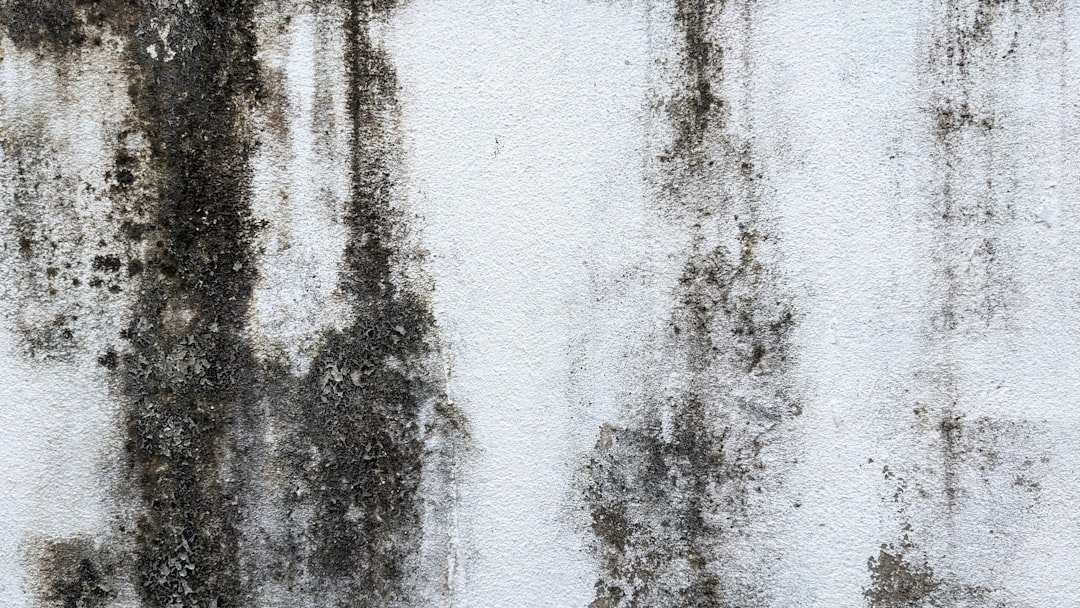
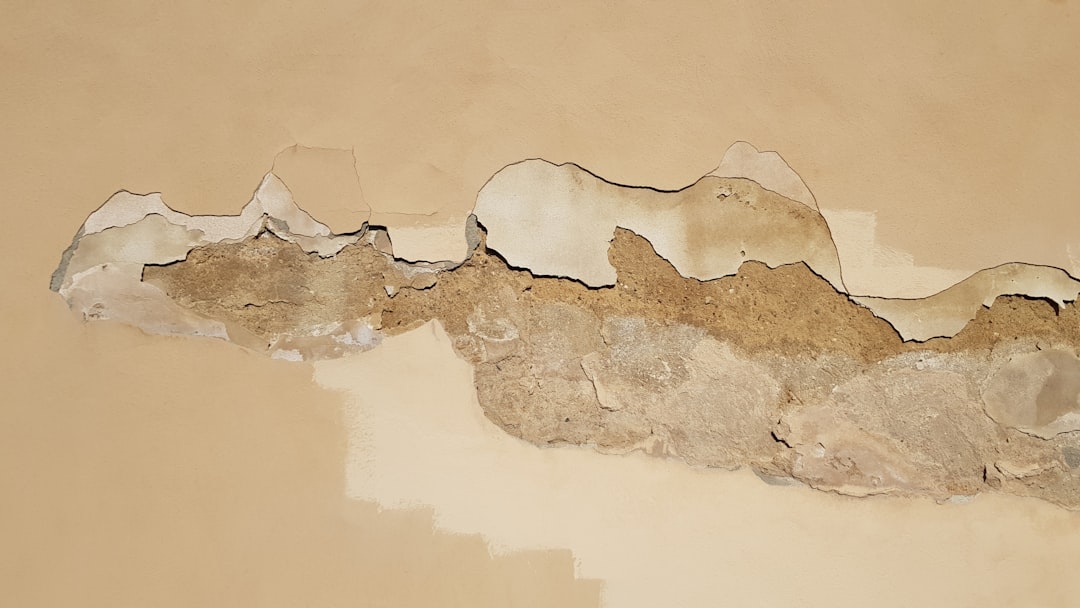
- Discoloration or soft spots on walls, ceilings, or floors
- Condensation forming on interior walls — indicates a thermal envelope or humidity issue that is actively creating mold conditions
If you're seeing any of these, professional moisture assessment and air quality testing is the right next step — before the problem expands.
Flat-Out Restoration's Approach to Mold Prevention
At Flat-Out Restoration, we conduct moisture assessments that go beyond surface inspection — using thermal imaging and calibrated moisture meters to identify elevated moisture in building materials before mold establishes. For homeowners who've had water damage in the past or who are simply serious about prevention in Houston's climate, this kind of baseline assessment is far less expensive than remediation.
If mold is found, we remediate it the right way and verify clearance with post-remediation testing. If it isn't found, you have documentation that your home is in good condition — which has real value if you ever sell or make an insurance claim.
Ready to schedule your mold inspection?
Call (832) 904-9001 or request a quote online.